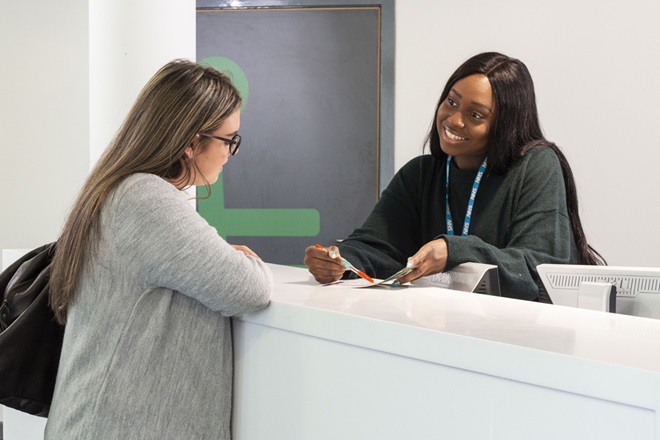
Supporting good, safe maternity care
Everyone should get maternity care that is safe and compassionate. But we know that hasn’t always happened: some women and families have had very difficult experiences that changed their lives.
We want to help make things better. As an organisation that learns and improves, we’re working to support real change so that maternity care is safer and better for everyone.
How we can help
If a professional we regulate doesn’t meet the standards we expect and gives unsafe care, we can investigate. We also make sure women and families feel safe to speak up and share their concerns with us.
We understand it takes courage to talk about personal and painful experiences, and we’re grateful to the women and families who have spoken to us about problems with maternity care.
If you raise a concern with us, we will:
- take your experience seriously, including how it has affected you and your family
- help you understand our process
- let you know when each step starts and ends
- help you find support, such as counselling or advice services.
Learn more about how we can support you with your concern.
If you’re feeling very upset or distressed and need mental health support, please contact your GP.
Reviews and inquiries
We also take part in national and local reviews and inquiries that look into maternity care. These reviews aim to identify areas for improvement and suggest ways to make care safer and fairer for everyone. Our role includes supporting the Ockenden Maternity Review into care delivered to families in Nottingham, as well as the national investigation into NHS maternity and newborn baby services. As part of this, we’re working to make sure that people who had negative experiences of maternity care understand who we are, what we do, and how we can support them - both in local areas and across the country.
If you’d like to know more about this work, you can contact us at maternity@gmc-uk.org.
Learn more about how we respond to other reviews and inquiries to support improved patient care.
How our work on doctors’ education helps maternity care
As part of our role, we work to make sure doctors get the education and training they need to provide safe care for patients. We check the quality of training, listen to doctors' experiences, and act when we identify concerns. One of the ways we do this is by surveying doctors in training every year, asking them about their experiences and the places where they work and learn.
Because of concerns about maternity care, we recently looked at what doctors training in pregnancy, birth and women's health told us in the survey between 2023 and 2026.
The results show that these doctors face more challenges in some areas than doctors training in other specialties. They are more likely to report heavy workloads, feel exhausted or be at risk of burnout, and feel hesitant about asking senior doctors for help with a patient's care. Some also feel less confident about reporting discrimination or speaking up when they see poor behaviour at work.
There were positive findings too. Many doctors said they worked well with other healthcare professionals as part of a team.
Read the full analysis of doctors' experiences of obstetrics and gynaecology training
In terms of next steps, we're asking the people who run training in these areas to think about these findings and where improvements may be needed.
As part of our work following recent maternity reviews, we'll also speak with organisations that train doctors. We want to better understand how doctors are trained in pregnancy, birth, women's health and newborn baby care. We'll look at how training helps doctors treat people fairly, understand different backgrounds and provide care that focuses on each patient's needs.